

Bad feedback rarely becomes obvious when everyone works in the same room.
A weak feedback process can survive for months because team members compensate through conversations, quick clarifications, and immediate access to one another. Time zones remove those safety nets and expose problems that already existed beneath the surface.
At first glance, the delay appears inevitable.
The team works across multiple time zones. Some waiting feels unavoidable.
Yet many distributed organizations eventually discover something surprising. The longest delays rarely come from geography itself.
They come from feedback that cannot survive the journey between contributors.
Different time zones remove the safety net of immediate clarification
In a co-located environment, unclear feedback often goes unnoticed.
A developer sees a ticket and asks a quick question.
A product manager provides clarification.
The work continues.
The workflow absorbs the ambiguity because people can resolve misunderstandings immediately.
Time zones remove that safety net.
A developer reading feedback at 9 a.m. may need clarification from someone who finished work eight hours earlier. A QA reviewer may discover additional questions after the original stakeholder has already gone offline. Product decisions that once required a two-minute conversation now depend on an entire cycle of asynchronous communication.
The issue is not the question itself.
The issue is that every missing piece of context now carries a much larger cost. A single clarification request can delay progress by an entire day. What previously felt like a minor workflow weakness suddenly becomes highly visible. Time zones do not create the problem.
They expose it.
Weak feedback relies on the presence of its author
Many teams unknowingly build feedback processes around a hidden assumption.
Someone will always be available to explain the feedback later.
A screenshot gets attached to a ticket. A short comment describes the issue. The reviewer assumes developers can ask questions if anything remains unclear. In synchronous environments, that assumption often works.
Distributed environments challenge it immediately.
The developer reviewing the issue may not share working hours with the original reviewer. The stakeholder who understands the business context may remain unavailable until the following day. The product manager who participated in the original discussion may already have moved on to a different set of priorities.
Suddenly the quality of the feedback itself becomes far more important.
Strong feedback remains understandable even when the author disappears temporarily.
Weak feedback depends on future explanations.
Time zones reveal the difference quickly.
Context degrades while work waits

One of the most overlooked consequences of distributed collaboration is that context rarely remains static.
It changes while teams wait. A question enters a Slack thread. Several hours pass. Additional comments appear. Someone references a previous discussion. A stakeholder introduces new information. The original issue gradually accumulates multiple interpretations.
By the time clarification arrives, the conversation often looks different from when it started.
Developers must now understand not only the original feedback but also the evolving discussion surrounding it. The operational cost grows quietly.
A ticket that required ten minutes of implementation may consume hours of interpretation, clarification, and context reconstruction.
Teams often blame time zones for the delay.
The deeper issue involves feedback that failed to preserve enough understanding at the beginning.
Product teams often mistake communication volume for clarity
When distributed workflows begin slowing down, many organizations respond predictably.
They increase communication. More meetings appear. Additional review sessions get scheduled. Teams create more documentation. Stakeholders add more comments. The intention makes sense. If people feel disconnected, increasing communication appears logical.
Yet communication volume and workflow clarity rarely move together.
Some organizations communicate constantly while preserving very little understanding.
Others communicate less frequently while preserving far more context.
The distinction matters.
Every additional conversation introduces another opportunity for information to become fragmented across tools, participants, and timelines.
Without strong context preservation, communication starts compensating for missing clarity rather than improving it.
The workflow becomes busier without becoming clearer.
Good feedback travels independently
The strongest distributed teams eventually adopt a different perspective.
They stop asking whether feedback was communicated.
They start asking whether feedback can survive independently.
Can a developer understand the issue tomorrow?
Can another contributor understand it next week?
Can someone who missed the original discussion still understand the reasoning behind the request?
These questions shift attention away from communication and toward context preservation.
The goal is not to eliminate conversations.
Product development will always require collaboration.
The goal is to reduce unnecessary dependence on future explanations.
Good feedback carries enough context to move through the workflow without repeatedly returning to its original author.
It preserves intent alongside evidence.
It reduces ambiguity before implementation begins.
Most importantly, it helps contributors understand what needs to happen even when nobody remains available to explain it.
Time zones reveal operational truth
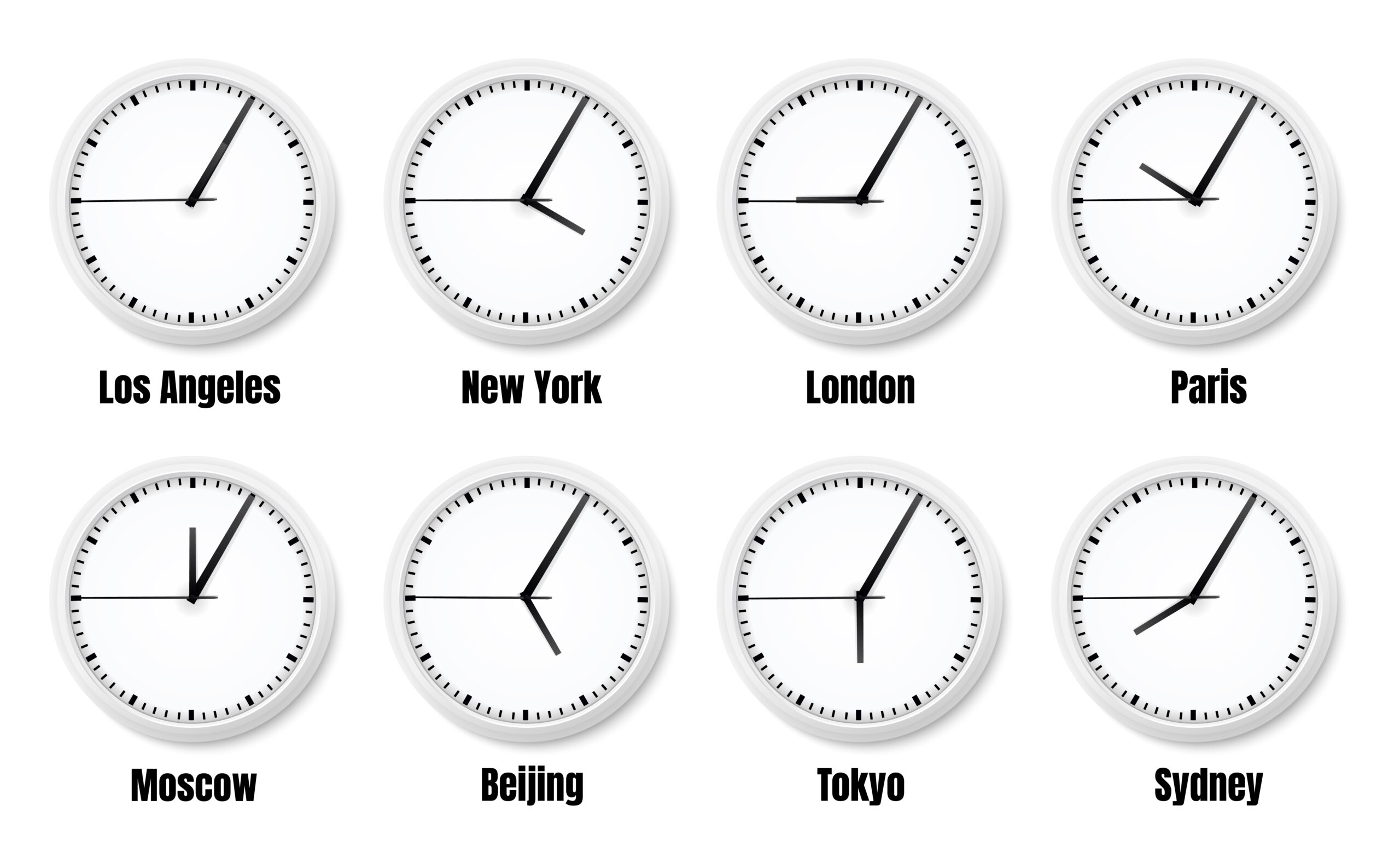
Distributed teams often receive criticism for moving slower.
The reality is more nuanced. Time zones expose weaknesses that synchronous environments often hide.
They reveal where teams rely too heavily on tribal knowledge. They expose feedback that depends on verbal explanations. They uncover workflows that separate context from execution.
In many cases, these problems already existed long before the organization became distributed.
People simply compensated for them through proximity and availability.
As teams grow across locations and schedules, those compensations become harder to maintain.
The workflow must begin carrying more responsibility.
That is why distributed teams often benefit disproportionately from better feedback systems.
The challenge is not managing geography.
The challenge is preserving understanding as work moves across people, tools, and time zones.
Organizations that solve that problem often discover something important.
Time zones stop feeling like barriers.
They simply become another operational constraint that clear workflows can handle effectively.
Cluva is built around a simple operational belief: feedback should remain understandable even when the person who created it is offline. Clearer context helps distributed teams move forward without waiting for explanations.
TRY CLUVA